CASE STUDY 03 / PRODUCT & BRAND DESIGN
Segistics
Four Years of Pivots, Products, and Progress.
Shiny Objects. New Ideas. Never a Dull Moment.
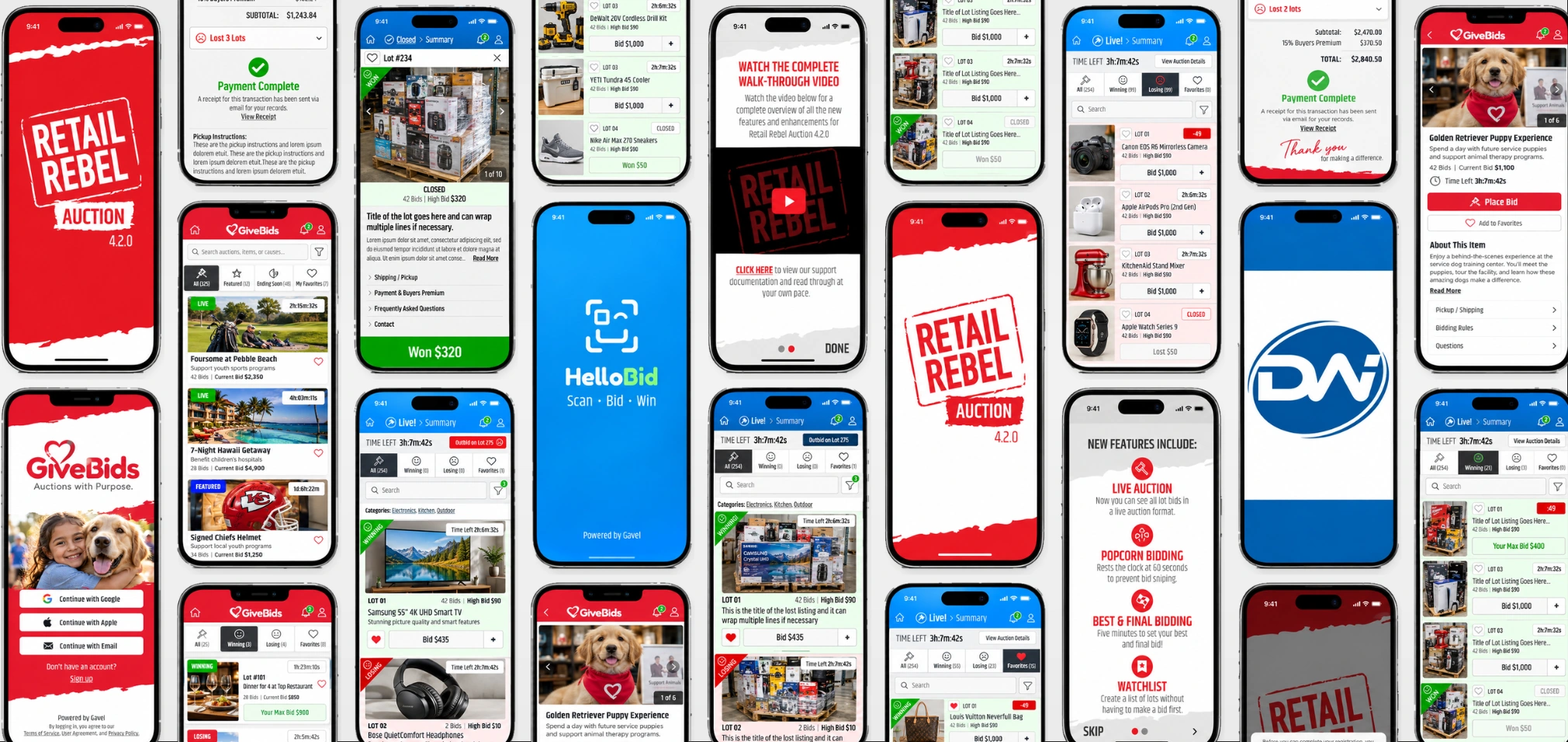
At Segistics, no two years have looked alike. We explored products spanning classic car rentals, fractional vehicle ownership, warehouse inventory tracking, physical alert systems, POS/MCP, and more before establishing a more focused direction around Gavel White Label Auction Software.
As Head of Product Design, I'm responsible for the UX/UI of an increasingly complex, fast-growing platform. With AI accelerating development, the challenge is keeping pace while maintaining usability and building the scalable structure needed to support what comes next. Beyond product design, my role also extends into branding, websites, and digital marketing.
Making Complexity Feel Effortless.
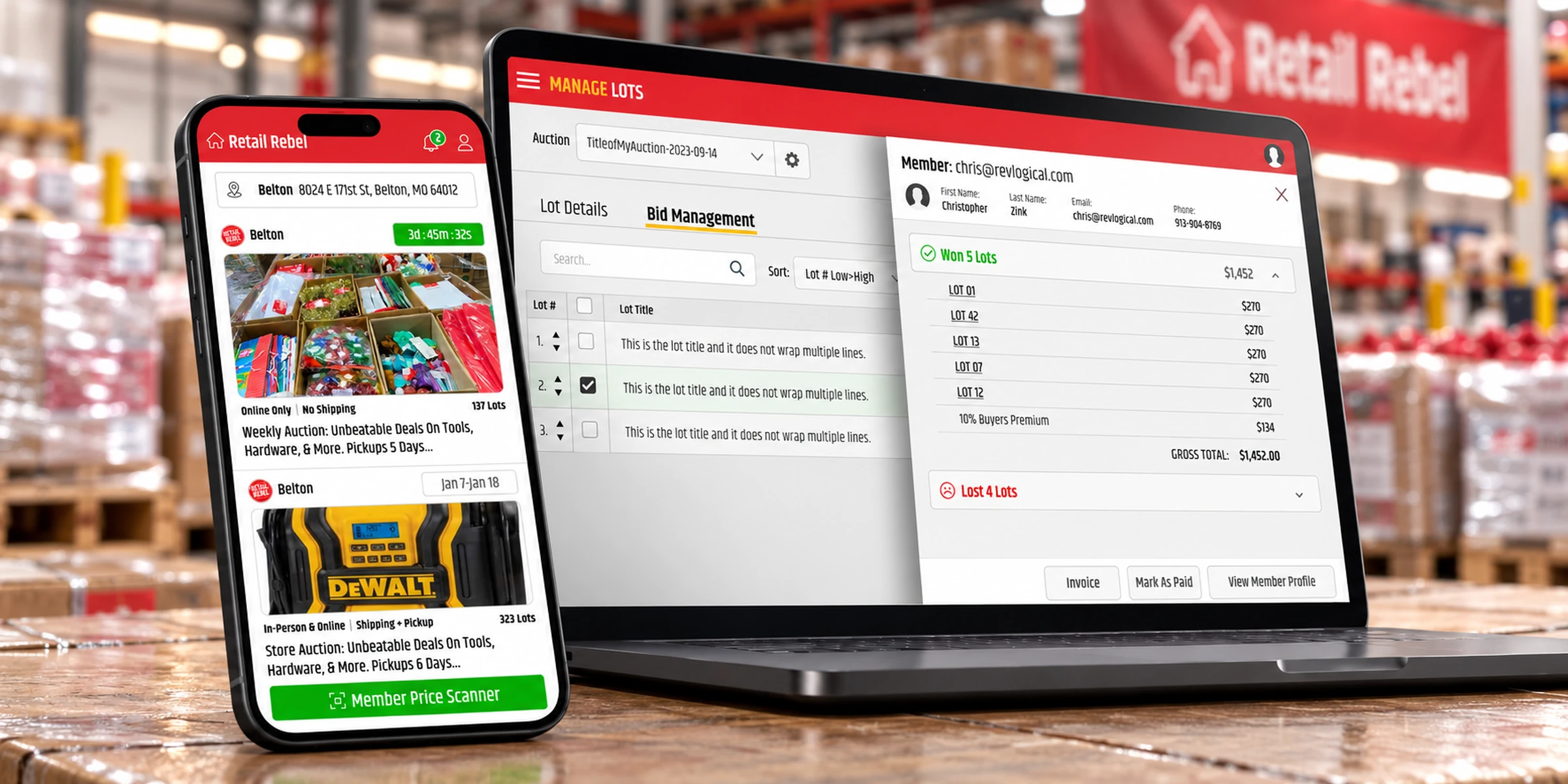
For bidders, the experience needed to be intuitive and engaging. For auction operators, the platform needed to support complex workflows involving inventory, auction configuration, bidding, payments, customers, scheduling, and fulfillment.
Moving Fast Without Designing Ourselves Into a Corner.
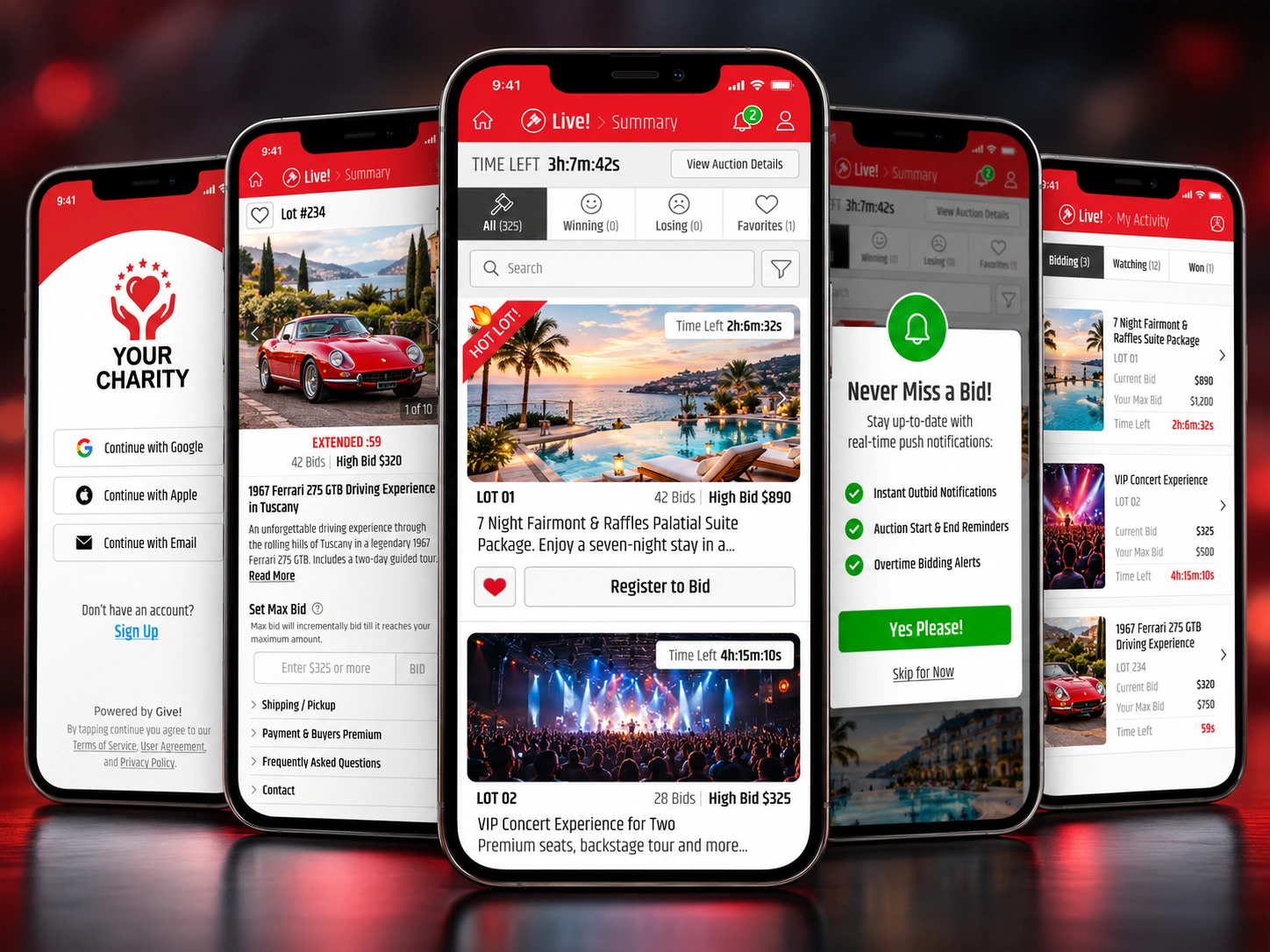
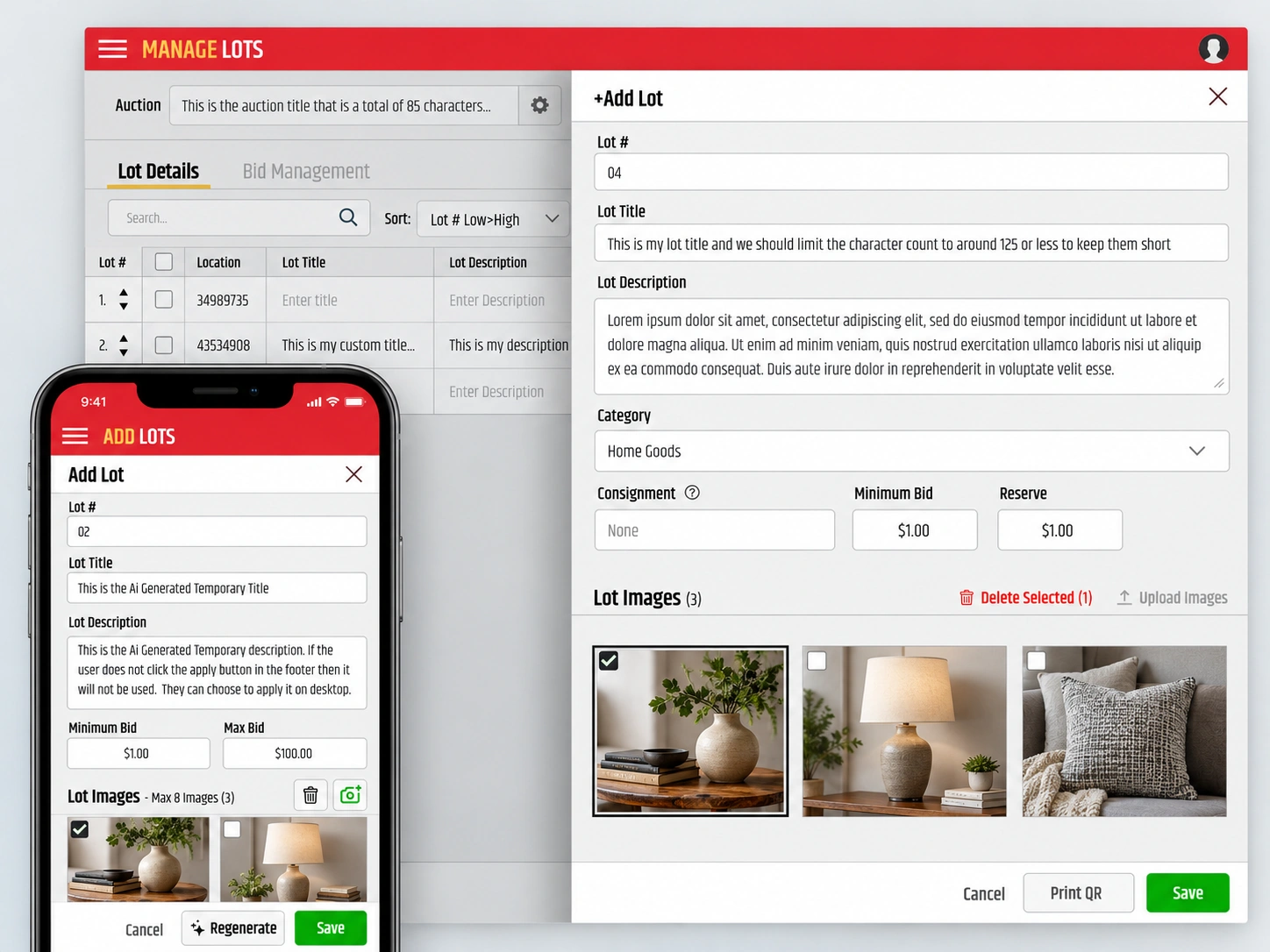
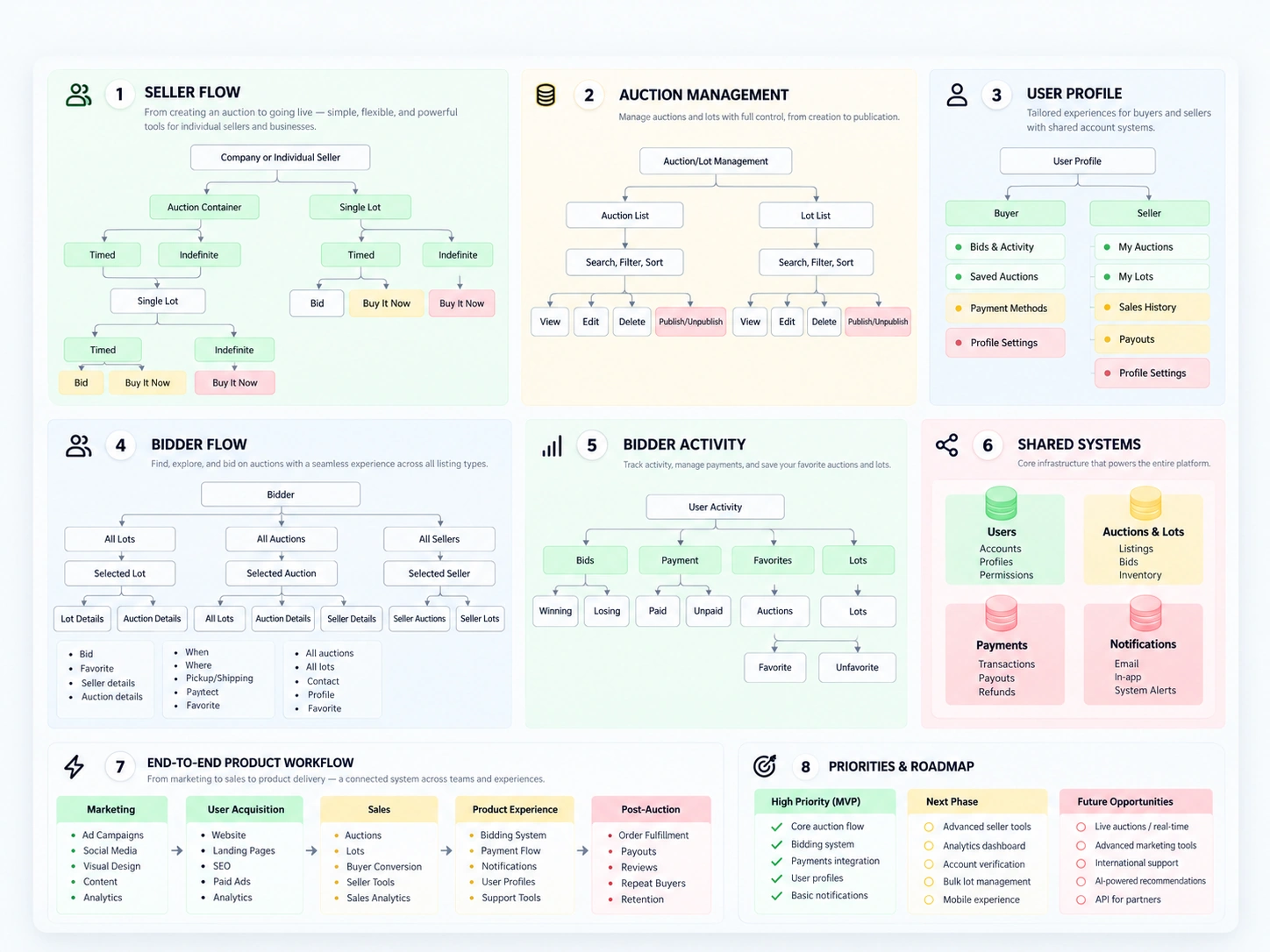
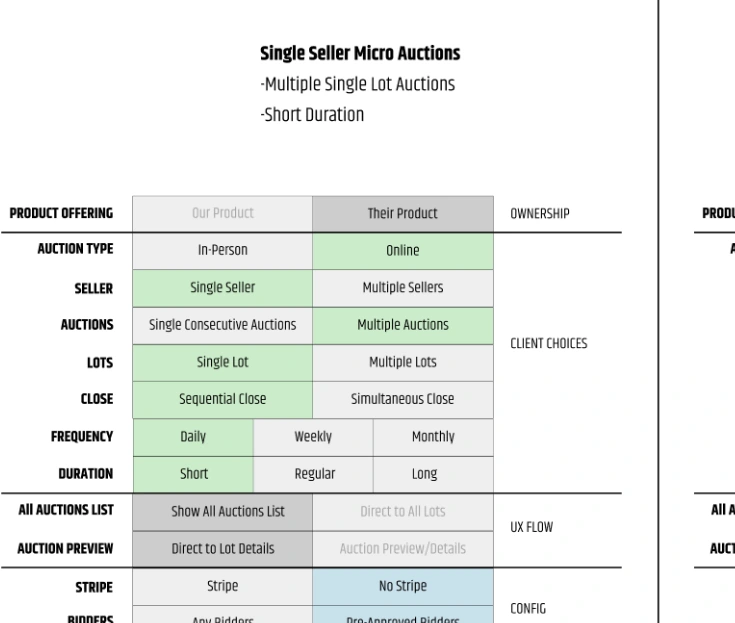
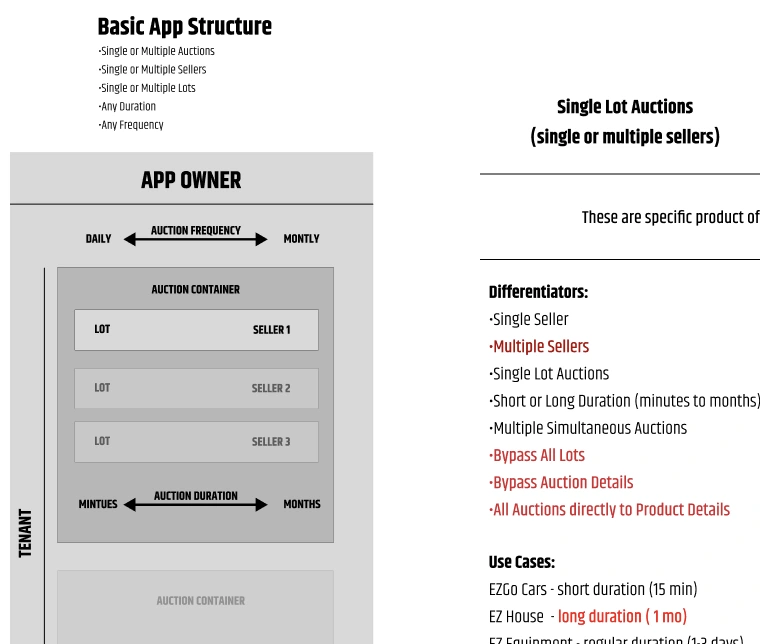
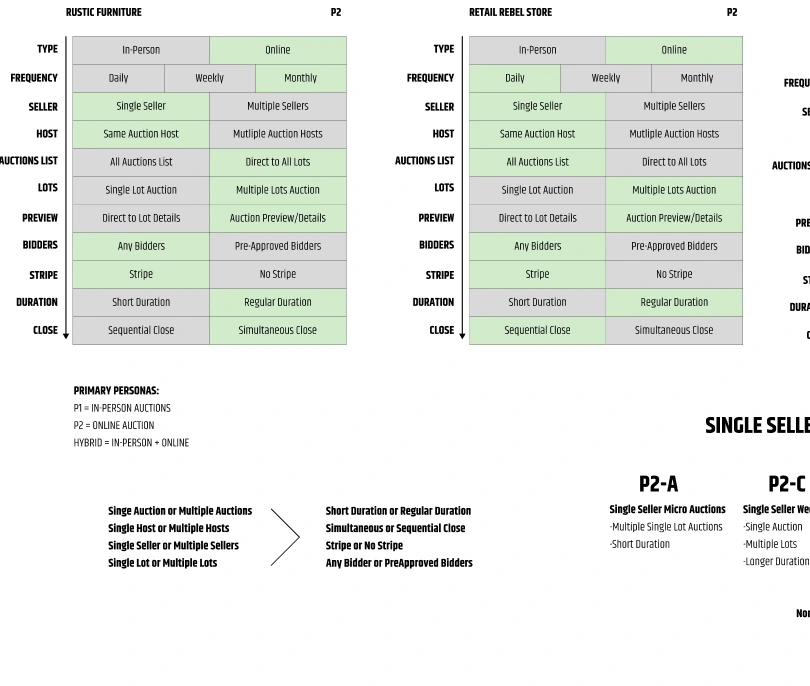
Gavel needed to support white label native mobile and responsive web experiences for both bidders in-person and online auctions as well as the robust administrative functionality behind the scenes. The difficulty wasn't designing any one screen. It was understanding how everything connected. Decisions made in one area could affect the build and workflows throughout the platform.
Creating a scalable structure that could accommodate different white label customers, auction formats, users, and future functionality became one of the most important design challenges.
AI Development Got Faster. Design Had to Adapt.
As AI-assisted development accelerated, the pace of building products changed dramatically. Features could be developed faster, but that also meant design had less time to keep up. In a perfect world, every product would have a comprehensive design system, thoroughly tested workflows, and polished interfaces before development began.
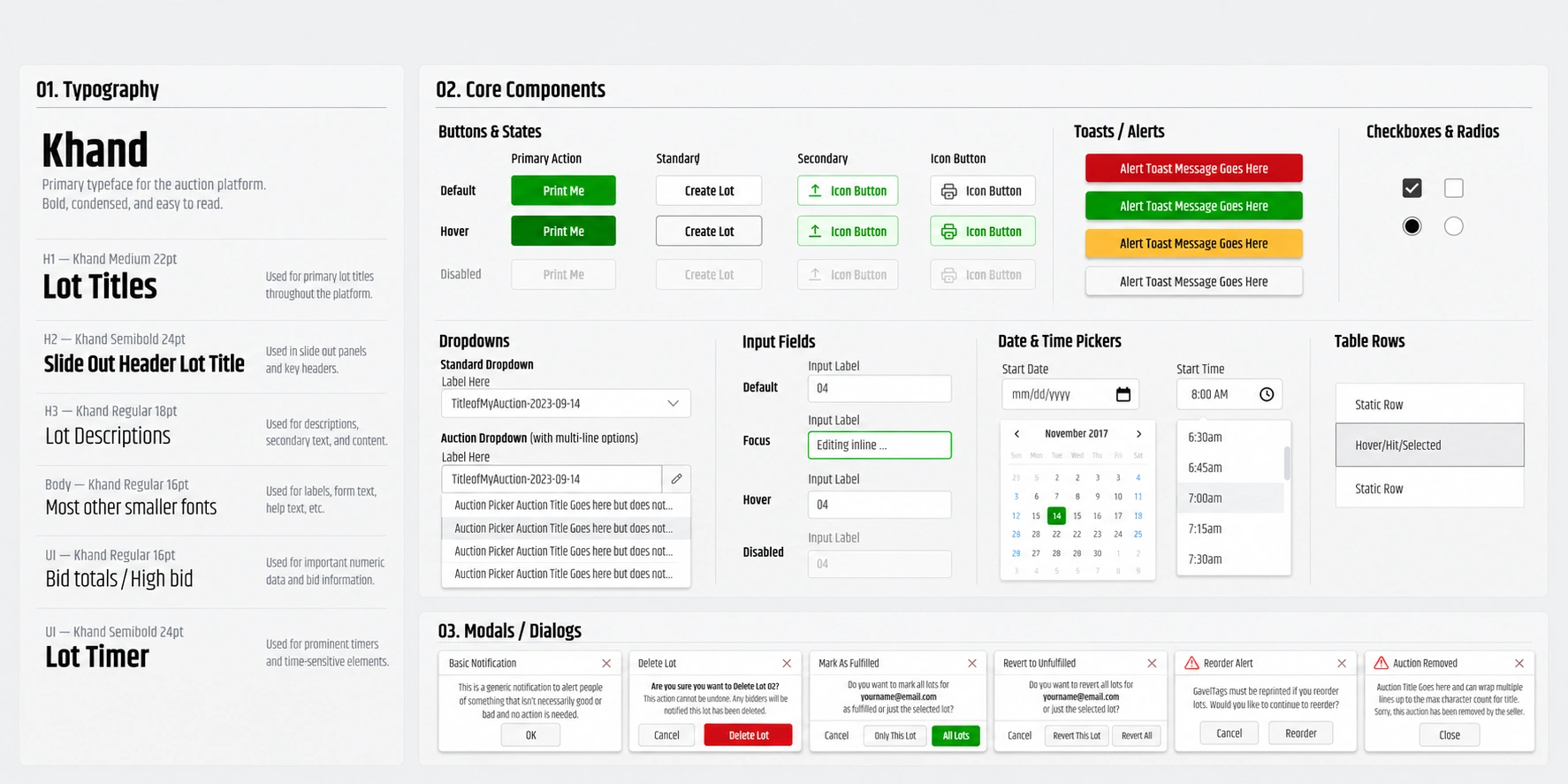
In a startup, traditional design processes aren't always practical. I had to make deliberate decisions about where design time would have the greatest impact. For Gavel, that meant prioritizing the structure of the platform over pixel-perfect execution. A visual inconsistency can be corrected relatively easily. A poorly designed workflow or architecture that can't support future requirements can mean rebuilding entire sections of the product.
Getting the Important Things Right.
Sometimes the most important design decision is knowing what not to perfect. The goal was to keep the product moving forward without creating usability barriers or structural problems that would eventually slow everyone down.
I continued establishing reusable patterns and design standards wherever possible, while incorporating AI into design workflows and automating portions of marketing to create more time for product work.